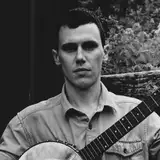
"Although North Carolina black banjo players sometimes play accompanied by clapping or other percussive instruments, it's common for them to describe turn-of-the-century ensembles in which two banjo players doubled with each other in the old slave manner, rather than a banjoist with a fiddler. In fact, the preservation of the black fiddle-banjo combination itself seems to have been nourished primarily by the white folk tradition... The fiddle-banjo duo of the Thompson cousins, for example, seems likely to have resulted from their greater contact with white musicians than that experienced by Dink Roberts or John Snipes. The influence of Celtic American traditions upon the Thompsons' music is also reflected in the large portion of white fiddle tunes in their repertory.
"... solo banjo performance is more typical than the fiddle-banjo combination among [North Carolina] blacks. Likewise, Jake Staggers in South Carolina and Clarence Tross in West Virginia emphasize solo playing. These solo tendencies in current African-American tradition possibly characterize the majority of black folk players in the upland South about the turn of the century, at the time of the rise of the blues. The solo tradition of country blues guitar playing continues to persist strongly in this same area. These solo inclinations certainly recall independence and self-sufficiency of the black banjo tradition as it was documented in this country until the middle of the 19th century, and as it was practiced earlier by African griots."
- African Banjo Echoes in Appalachia: A Study of Folk Traditions (Conway, 1995)
Jake Tolbert
2019-12-30 16:34:49 +0000 UTCDoug Brower
2019-12-28 15:12:20 +0000 UTCBob Roberts
2019-12-27 18:31:30 +0000 UTC