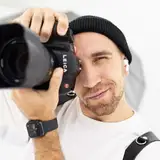
As our cameras have improved, have we lost something?
I'm not talking just about the discipline that old film cameras require, but with digital improvements, we often lose the following qualities in our photography:
Intentionality - Digital teaches us to shoot first and think later. Film taught us to think first and shoot once.
Presence - Do you actually remember where you were when you took that photo, or were you constantly reviewing your LCD monitor?
Anticipation is the gap between shooting and seeing. That waiting makes you care about where you were at that moment. Today, we see instantly, so we often forget instantly. There's no space for the photo to become a memory.
Imperfection - Digital now removes so many imperfections that we often lose reality. Are we optimizing the soul right out of our images?
Mindfulness - With film, you were not just capturing, you were participating. The camera wasn't doing the work, you were. Digital gives you easy results. Film gives you discipline that can sometimes lead to amazing results. (These 5 points were edited from a YouTube video about What We Lost When Cameras Got Better)
How can we get back these qualities WITHOUT having to switch back to film and film cameras?
Scroll to end of this post, and I'll give you some suggestions in my epilog, but first...
Here's an amazing true story to illustrate the importance of these points:
Imagine yourself as a National Geographic photographer, doing a photo story in a pristine wilderness. You normally take tens of thousands of photographs for a story, but on this 90-day self-assignment you choose to discipline yourself by taking just ONE photograph a day, using a film camera.
That would be pretty scary for most of us—no LCD playback to check the composition and exposure. What if you took a photo early in the day and something better came along later? What if you waited all day and didn’t find anything to capture your creative imagination by the end of the day? You would not know what you had until you returned home weeks or months later and processed your film!
This really happened to NatGeo photographer, Jim Brandenburg. By 1995, Jim had been on the road for National Geographic for 20 years. He had "lost his passion" for photography. He was feeling empty and in need of a change, so he decided to rekindle his love for photography and nature with this project. He chose a region near the Boundary Waters Canoe Area, close to his home in northern Minnesota.
 Day 13 - "Wilderness Loons" - © Jim Brandenburg
 Day 40 - "Frosty Sedge Meadow" - © Jim Brandenburg
Jim would take one picture per day from the autumnal equinox to the winter solstice. Unlike many photographers who pick their best photo each day out of hundreds of photos taken that day, Brandenburg would limit himself to one click of the shutter per day. He would capture 90 days on just three rolls of 36-exposure Kodachrome slide film.
Two years later a National Geographic editor was visiting Jim in his Minnesota home and saw the photos. The editor was impressed and Brandenburg’s journey of inspiration became the lead article in the November 1997 issue of National Geographic. It was the largest collection of photos by a single photographer ever published in one issue. It was also the article having the least number of photographs to choose from!
 Brandenburg's photos became the featured story in the November 1997 issue.
You can watch Jim's story on this short YouTube snippet.
Brandenburg later turned his wilderness adventure into a book, Chased by the Light: A 90-Day Journey, and a video documentary.
EPILOG. How to get back Intentionality, Presence, Anticipation and Mindfulness into your digital work, and allow enough Imperfection to let it be real:
I don't know about you, but I love digital. I shot film as a professional magazine photographer for over 25 years, but when digital arrived, I embraced it, and I'll never go back. Even so, film has taught me to be more patient, intentional, mindful of where I am, and appreciate the moment. The experience of shooting film has made me a better digital photographer.
If you never had that experience, I invite you to occasionally try this discipline with an old film camera and film. It could slow you down and help you to become a better photographer.
Even if you choose not to follow that occasional film path, I invite you to practice becoming more intentional with your digital camera. Every so often, practice shooting fewer photos, with real intent to pre-visualize and carefully compose. Try going out and forcing yourself not to look at your LCD playback monitor every time you take a photo. Hold back and wait until you get home to look at all the images you took that day (or even wait a week). As you slowly look a each shot, savor the moment and remember where you were.
Start printing more of you digital photos. You'll be amazed at what joy and fulfillment this brings back to your photography.
Take more single exposures. Although I'm into all kinds of ways to digitally enhance my nightscape images, I always try to get the best image possible in one exposure, and to not always rely on layer blends, tracked composites and other digital enhancements. While I often show these digitally enhanced images (with full explanations) in my social media, I'm usually more pleased and fulfilled with my single exposures and their imperfections.
Royce Bair
2025-11-03 11:32:10 +0000 UTCRoyce Bair
2025-11-03 11:29:47 +0000 UTCRon Elenbaas
2025-11-02 16:49:16 +0000 UTCKen Johnson
2025-11-02 16:16:11 +0000 UTC