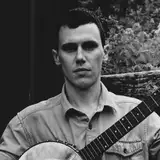
I possess copies of two home tape recordings made by Banjo Bill Cornett in which he and others sing, talk and play the banjo.
The tapes that I was given appear to contain most of the tracks released on "The Lost Recordings of Banjo Bill Cornett" (Field Recorders' Collective 2005) AND several tracks which, for unknown reasons, did not make the final cut. Perhaps the most important of these mysteriously omitted tracks is Cornett's priceless performance of the rare Knott County blues piece "Morphine."
On this recording Bill uses a heavily syncopated, bluesy picking style clearly linked to an archaic African-American banjo tradition--a tradition which had existed in the southern back country for more than a century before the first blackface minstrel ever strutted onto the stage.
Why was this stunning and unusual performance left out of a relatively exhaustive representation of Cornett's home recordings? Was it because the editor/producer of the album did not have access to Cornett's recording of "Morphine?" If the track was known about, and therefore purposely omitted, what motivated that decision?
-----------------------------------------------------------------------------------
"Morphine" as sang by Banjo Bill Cornett on his 1958 home recordings.
(gDGBD, relative)
Cornett: "I'll sing you another old timer."
It's rock and it's rye peaches and honey,
Darling let me tell you my dream.
I dreamed last night saw my pockets full of money,
Rolling in the big crap game.
But when I awoke I was dead broke,
I didn't have a brownie* to my name.
I love my sweet baby God in heaven knows,
I love her and it ain't no lie.
I love her once I love her twice,
And I'll love her 'til the day that I die.
If I only knew she cared nothing for me,
I'd take morphine 'til I die.
Yes I'd take a dose of old morphine,
Then I'd bid this world goodbye.
-----------------------------------------------------------
*The term "brownie" is archaic African-American slang for the U.S. 1-cent copper coin; today's "penny." I believe that Bill's use of this and other words found chiefly in the black lexicon point to his and other white east Kentucky banjoists' unusually close association with early African-American musical tradition.
https://www.patreon.com/cliftonhicks
https://cliftonhicks.bandcamp.com/
Joe Clark
2018-03-08 07:19:35 +0000 UTCClifton Hicks
2018-03-06 23:38:36 +0000 UTCGarrett
2018-03-06 18:28:46 +0000 UTC