Traditional Dance | Thomas Maupin, Daniel Rothwell & Friends
Added 2018-08-09 14:22:54 +0000 UTC
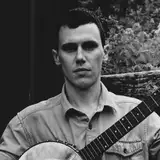
Here's a recent Ted Talk presented by Thomas Maupin and his grandson, banjoist Daniel Rothwell. I actually saw these guys perform a few times during the time I lived in Watauga County, NC.
More on Thomas Maupin: https://www.arts.gov/audio/thomas-maupin
From the video description:
"Thomas Maupin is six-time national champion in Old-Time Buckdancing. His grandson, Daniel Rothwell, is an award winning banjo player. They have performed widely including the Grand Ole Opry, Merlefest, and the National Folk Festival.
"There are many styles of "folk" dancing, particularly throughout the South. The differences among clogging, flatfoot, and others are demonstrated...
"Buckdancing, a form of solo percussive dancing is uniquely American but has influences from traditional European, African, and Native American dances. Although often confused with clogging and tapdancing, buckdancing predates both styles.
Dude, I'm so happy to be a part of this little community. I'm even breaking my zero tolerance to social media policy to be in your Patreon group. Thanks for doing what you're doing. Can't wait to watch the rest of this video when I get off work!
Joe
2018-08-09 19:36:15 +0000 UTC
I forget that guy's name but he considers himself a "clogger." His form of clogging seems to have developed in the 1940s and 50s out of dancing contests and the general folk revival of that era. It's basically, from what I've heard/seen, a more flamboyant, highly energized form of of buckdancing. Most of the traditional dance competition teams out there today are "clogging."
Clifton Hicks
2018-08-09 18:55:05 +0000 UTC
One dancer is flatfootin and one is buck dancing. I try to do a little buck dancing myself.
John Roberts
2018-08-09 18:49:59 +0000 UTC
Great information, Tony. Thanks. One reason I wanted to introduce Thomas Maupin is that he often explains during his talks that he "dances the tune" using his feet right along with the other instruments in the band. This is very helpful, I think, toward understanding the essence of traditional banjo playing. The early banjo as I understand it was nearly always played with a percussive accompaniment provided by dancing feet, patting juba (aka "hambone"), actual drums or all of the above. As you know, the African drum tradition in this country was almost completely destroyed by elite plantation owners who banned these instruments during the early 1800s. As far as I know, flatfoot, buck dancing, "hambone" juba and perhaps bones playing are the the only remnants left of any percussive tradition associated with traditional banjo. For this reason and those you have eloquently stated above I, too, see traditional dance as inseparable from traditional banjo.
Clifton Hicks
2018-08-09 16:58:42 +0000 UTC
Leonard Bowles was an African American fiddler from the Martinsville VA area who lived from the early 20th century to some time in the 1980s. When the main local banjoist he played with passed away some time in the 1960s or early 70s he taught himself to play banjo to keep black banjo playing going in his area. When folklorist Kip Lornell asked him how he figured out how to do it, he told Kip that he just thought of the dancer's feet. This is on the digital library of Appalachia which at least for the black banjo players and fiddlers Kip found has a bunch of interviews where they talk about how they learned their music
Tony Thomas
2018-08-09 16:14:56 +0000 UTC
I think anyone interested in old time banjo playing or the history of the associated music shoul;d do every thing they can to get to know about the forms of dancing that were associated with it. Lots, especially the hard core history folks, are folks who didn't dance when they were sitting off with a banjo or a recording when others were. To get a feel for most tunes the more you can think about how your music serves such dancing the more y9u will get some guidance on how to play
Tony Thomas
2018-08-09 16:10:24 +0000 UTC
Awesome
Elliott County Fiddler’s Convention
2018-08-09 14:48:32 +0000 UTC