Kurzgesagt says Cow Biology is a “marketing lie”
Added 2022-10-22 01:14:57 +0000 UTC*This is continued from my previous post Kurzgesagt: Beautiful Propaganda
<figure>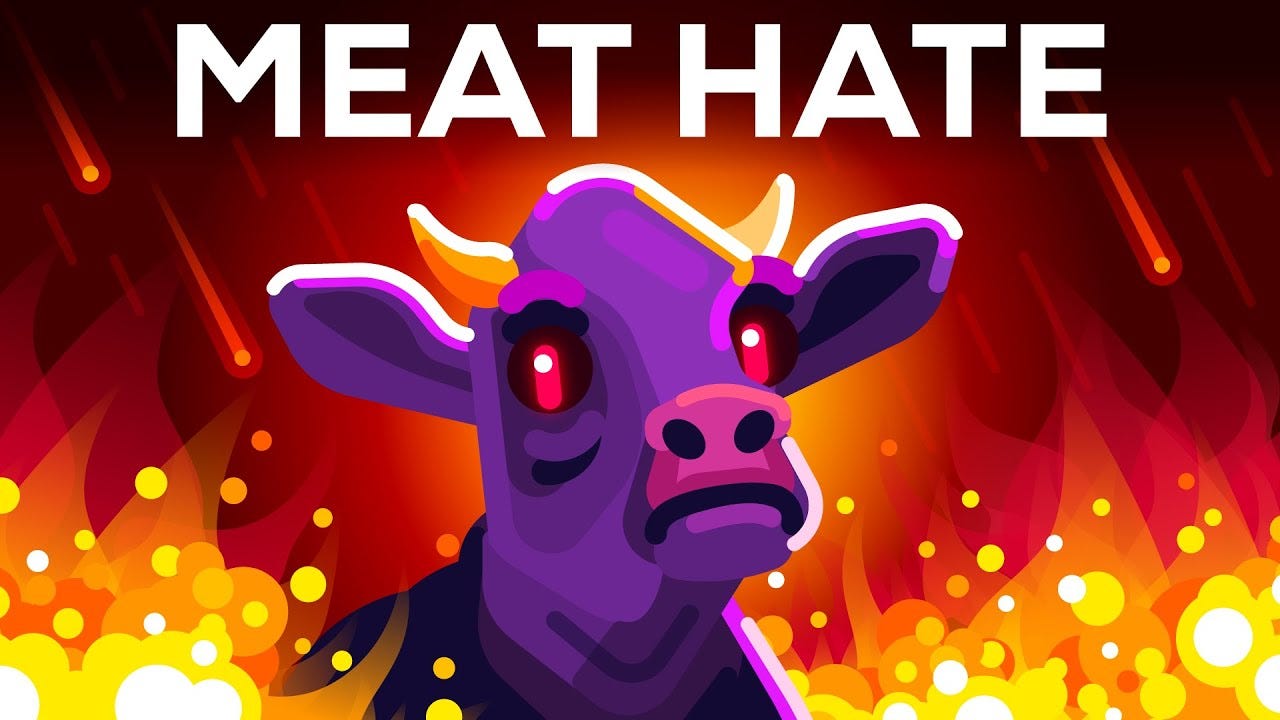 </figure>
I noticed there were a few people who felt I was being unfair by using the word “propaganda” to describe Kurzgesagt’s video titled Is meat really that bad? The video basically explains why beef is a key driver of climate change. Actually, there was another section that really rubbed me the wrong way that I hadn’t shared yet. Kurzgesagt usually appears very neutral and even handed in their videos, so it struck me as odd when they said this at 7:49 in their video: "While the idea of cows turning useless grass into steak is nice, it is part of a marketing lie."
1. Kurzgesagt claims a fundamental truth about ruminant biology is a “marketing lie”
Then they go on to say why 100% Grass fed beef is completely impractical. This is irrelevant because looking at your typical grain-finished cattle in America, the 90 million cows spend 2/3rds of their life on one of the 750,000 beef ranches… then they go to a feedlot. (This was addressed at 33:00 in this video of mine.) So these cows are most definitely taking grass, something we can’t eat and turning it into steak.
<figure>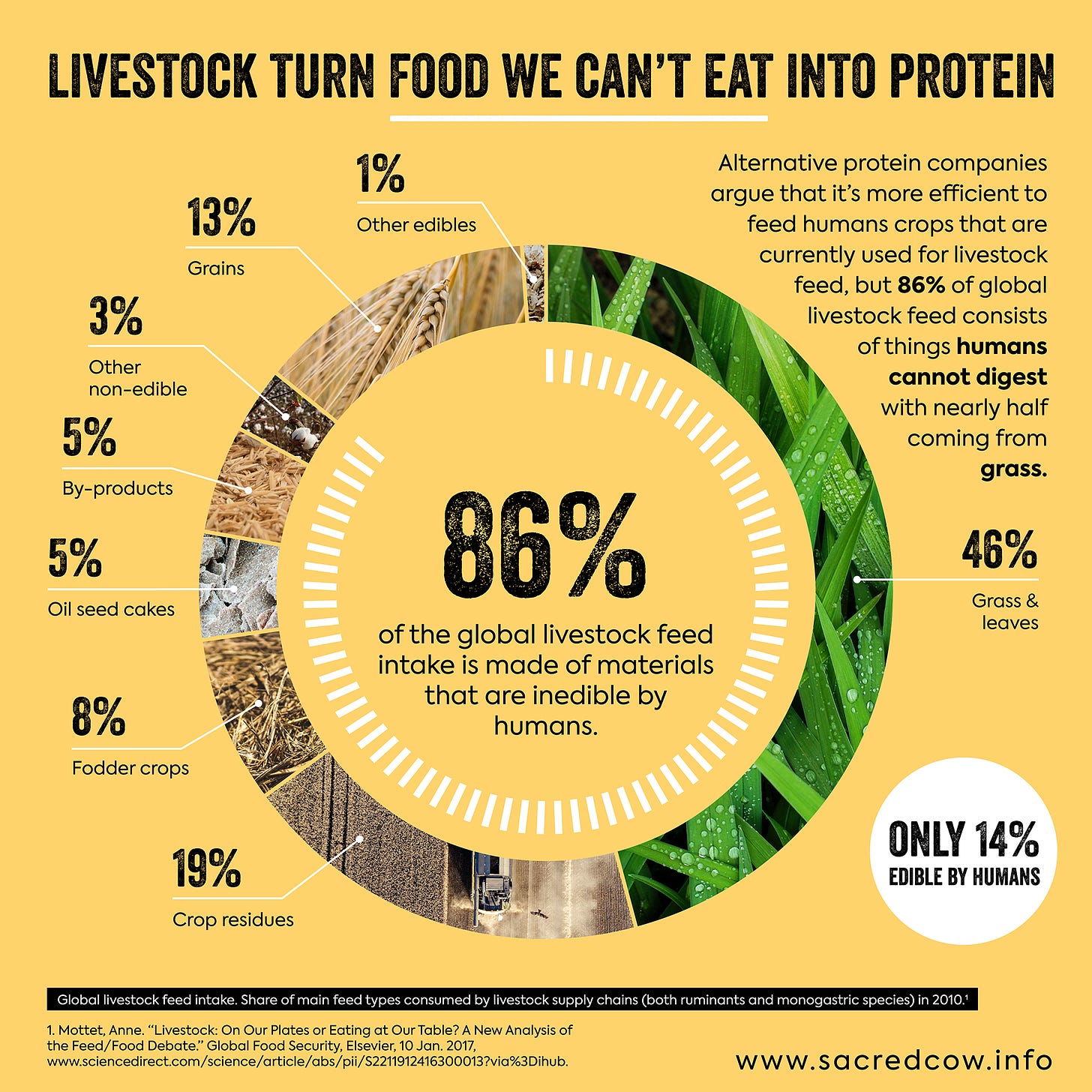 </figure>
But hold up, let’s get into specifics. How much of their diet is grass?
Based on Anne Mottet of the FAO’s 2017 paper, globally, 46% of livestock’s feed is grass & leaves. So whether your steak is 100% grass fed or not, at least half of your steak was literally the product of cow’s turning useless grass into edible steak.
2. Kurzgesagt’s point about grazing systems is irrelevant
Kurzgesagt substantiates this ‘it’s just a marketing lie’ idea by pointing out that that “grazing systems only support 13% of beef production.” A grazing system refers to the type of operation like White Oak Pasture’s. Essentially, it’s a system where cows are managed in such a way that the cow, the grass, and the soil all benefit. It’s one of those idyllic, 100% grass fed systems.
<figure>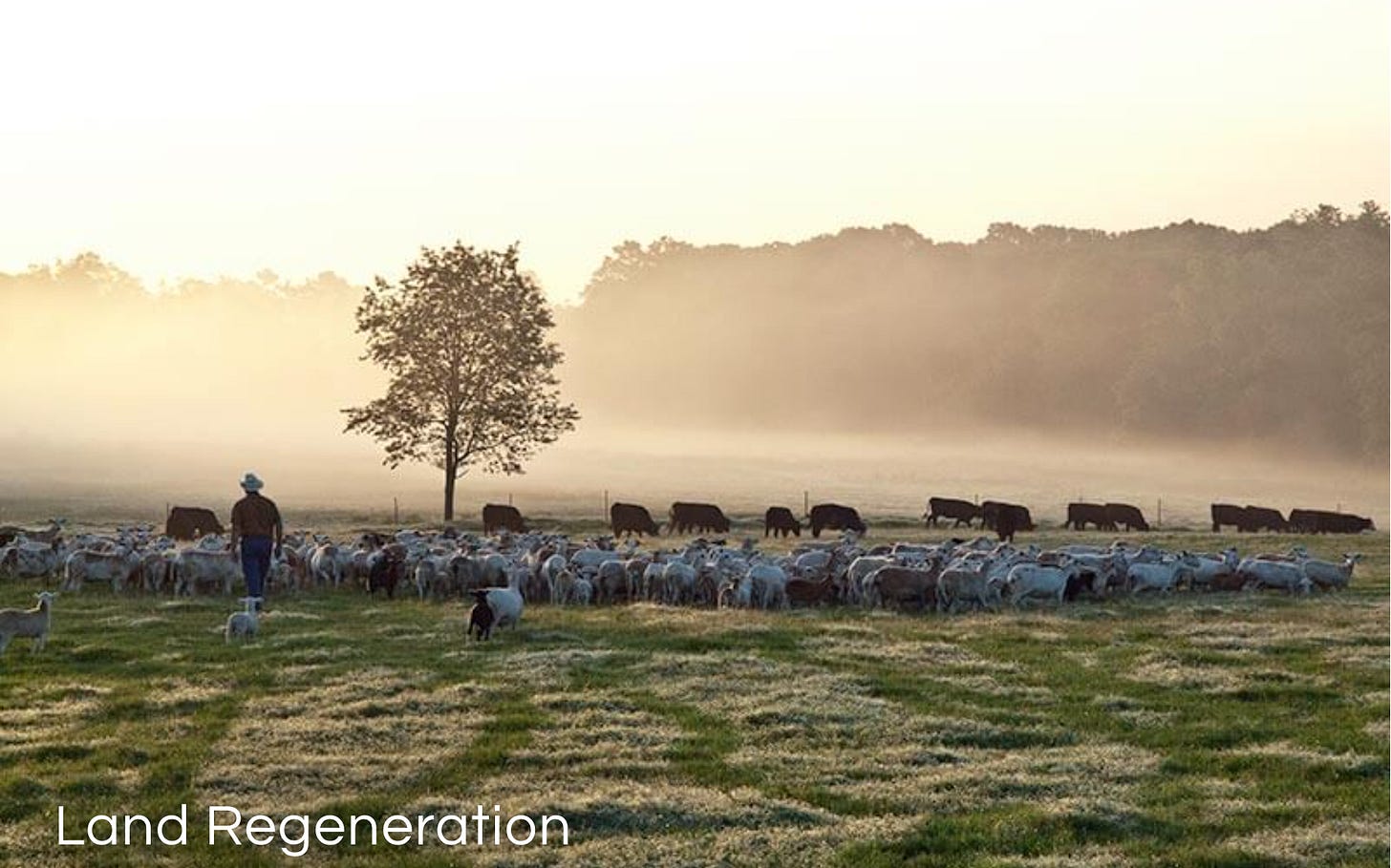 </figure>
Put simply, they’re saying only 13% of beef production is 100% grass fed.
This is still irrelevant, because “grass fed” or not, at least 50% of what cows eat is grass. So yes, they do turn grass into steak. Let me remind you again that per the above graphic based on that FAO study, only 14% of what cows eat is human edible. About 86% of a cows diet is junk. Cows are indeed turning tons of junk cellulose we can’t eat into steak.
Kurzgesagt says after that “if we were to switch to 100% grass fed, we would have to eat much less beef.” …So? Again, it should be clear how irrelevant this is by now.
3. Kurzgesagt misses that cows eating cereal is actually a good thing
<figure>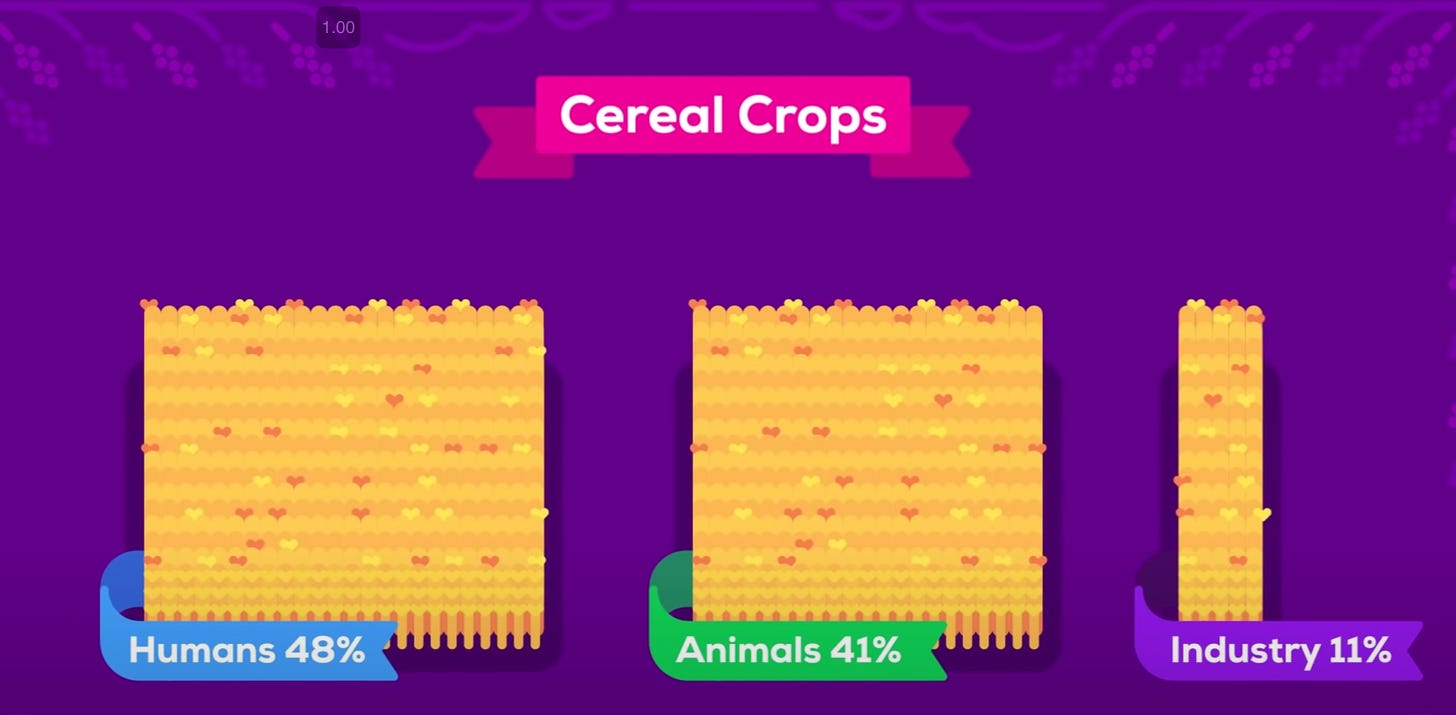 </figure>
Kurzgesagt says that 41% of cereal crops grown are fed to animals. This feels a bit sneaky because they didn’t elucidate how much of that 41% is attributable to cows. Since chickens and pigs can’t eat grass like cows, they are going to make up a majority of that 41%. But in any case, who cares if cows eat some cereal crops if they are turning that cereal into something more nutritious? So many of these “cows are bad” productions often stay away from the nutrition aspect. Consider the following CSIRO graphic explaining that even grain finished cows output 2X the human edible protein they consume. So when you consider our problem isn’t a lack of calories, it’s a lack of protein and good nutrition, feeding cereal to cows and upcycling that into a more nutritious food product sounds great to me.
<figure>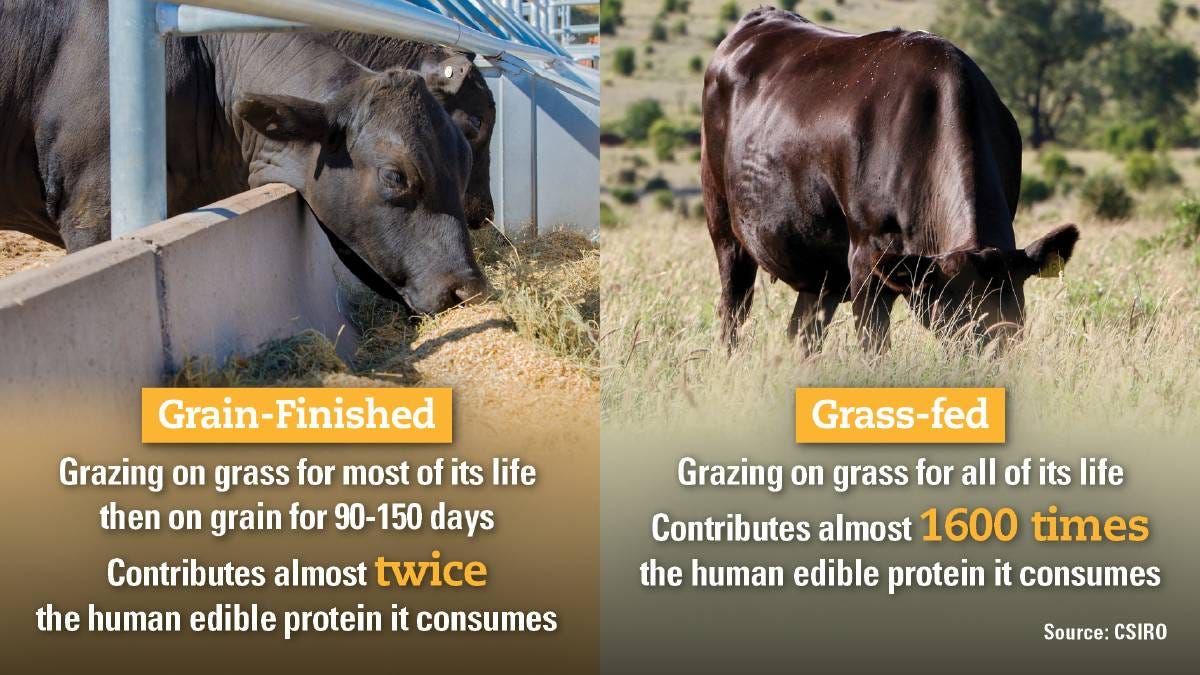 </figure>
Not to mention that cows also turn useless crop byproducts into steak. Just to name a few: corn husks, almond hulls, soy skins, oat hulls, cottonseed meal, bakery scraps, corn cobs, brewers grains are fed to cows. For every 100 lbs of food made for humans, 37 lbs of crop “junk” is made as a byproduct. Cows eat 43.2 billion kilograms of inedible junk and turn it into food for us. So, get rid of the cows, and the whole food system becomes less efficient.
*Just compost it! you say? To get an idea of how massive and unrealistic (not to mention methane emitting) enterprise it would be to compost 40 billion kilograms of crap, go to page 15 of this PDF.
Speaking of protein, not only are cows making protein and various other essential nutrients for us, they’re making the best protein. What I mean to say is protein isn’t protein. If you’re not aware of the concept of protein quality, check out my video below.
・Saying cows are taking our cereal crops! is misleading because the small amount of cereal the cows eat is being turned into a more nutritious food.
I’ll add a quote from this paper from the journal Nutrition Today to tie up my point:
“Sustainable production of protein needs to be a foundation of a sustainable diet, and livestock have a critical role in production of high-quality protein. Livestock currently produces more than one-third of world’s protein, and ruminant animals have a unique capacity to convert nondigestible biomass into proteins providing the optimal balance of EAAs. These factors call for prudent use of ruminant animals to optimize land use for production of high-quality protein”
The Kurzgesagt team consulted primarily with plant-based experts
I pointed out in my last post that an earlier section of their video was substantiated by the famous 2018 Poore and Nemecek study. I presented the extensive flaws of this study on page 29 of the PDF here, well before this video of Kurzgesagt’s was released. Poore and Nemecek are from Oxford University.
When I was looking into Kurzgesagt’s point about grazing systems, I was unsurprised to see they used another Oxford University study. The paper is Grazed and Confused from the Food Climate Research Network of Oxford University.
Food Climate Research Network is part of the EAT Forum which has organized the EAT-Lancet Commission. The EAT-Lancet commission manufactured “The Planetary Health Diet,” which wants the entire planet to eat an astonishingly small amount of animal foods.
<figure>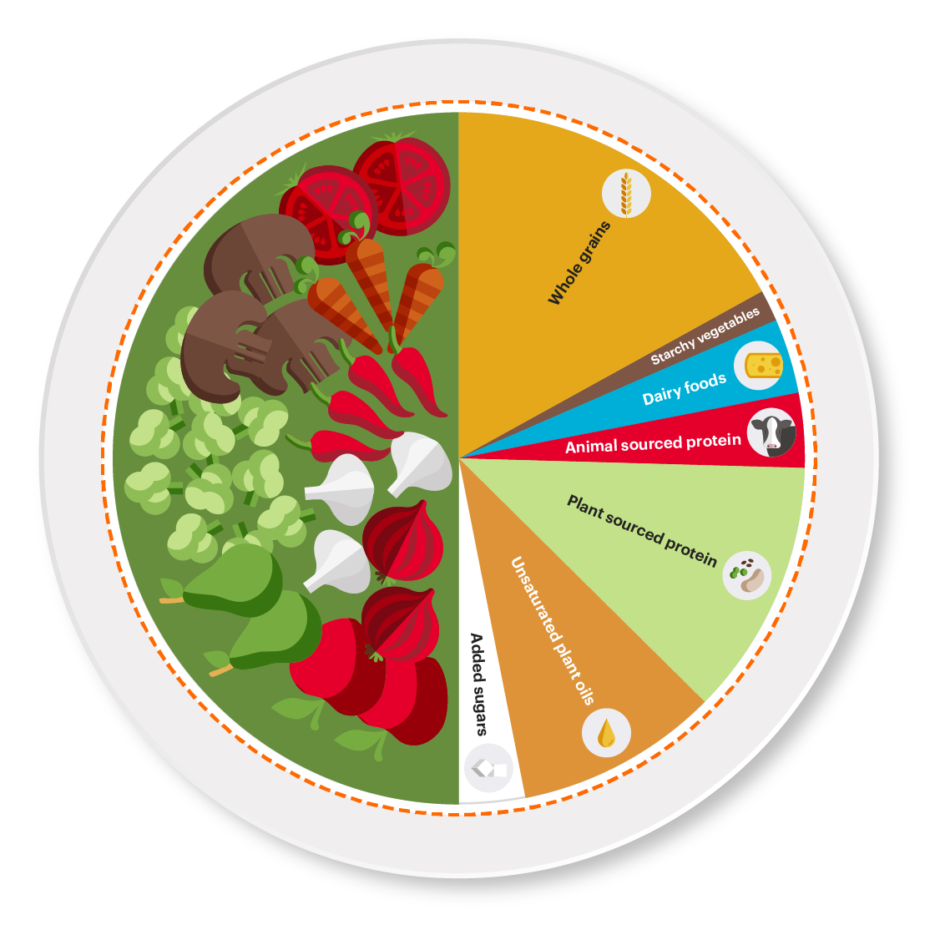 </figure>
Basically they want the entire planet to be vegan aside from something like half of a cheeseburger once per week. In fact, you are allowed to have about as much animal sourced protein as added sugars and, you are to have more unsaturated plant oils than animal sourced protein and dairy combined. With the onslaught of gut issues this would cause, maybe the real villain here is Big Toilet. What’s so bad about unsaturated plant oils? Don’t get me started… (Check my video below for context)
Going further, here are 3 of the experts that consulted with Kurzgesagt to help them create their video, per the link in their description:
・Joseph Poore - Oxford University
・Walter Fraanje - Oxford University, Food Climate Research Network
・Tara Garnett - Oxford University
Knowing this, I blame Kurzgesagt less for how their video turned out. I feel that they were simply mislead by people who appear to have a pretty straightforward agenda.
Tara Garnett, one of the 3 experts that helped Kurzgesagt with their video, is the lead author of that Grazed and Confused paper. This paper is a massive 127 pages and just like Poore and Nemecek’s paper, it stumbles past several basic flaws and arriving at a “meat is bad for the world” conclusion. It appears to be deployed specifically to combat the people who are for regenerative grazing, yet the authors don’t seem to want to talk about how soil works. They see soil as basically just a growing medium and don’t consider the intricate relationship between grazing livestock and the carbon cycle. If I find the time, I’ll pick this paper apart too. The pro plant-based folk have reason to be wary of regenerative grazing considering ranches using this approach can be net carbon negative. (i.e. they’re cooling the planet, not warming it)
Confused? For now, just consider that soil can be a massive carbon sink. Note the sequestration capability of grasslands and how this data from the IPCC says “soils undervalued.”
<figure>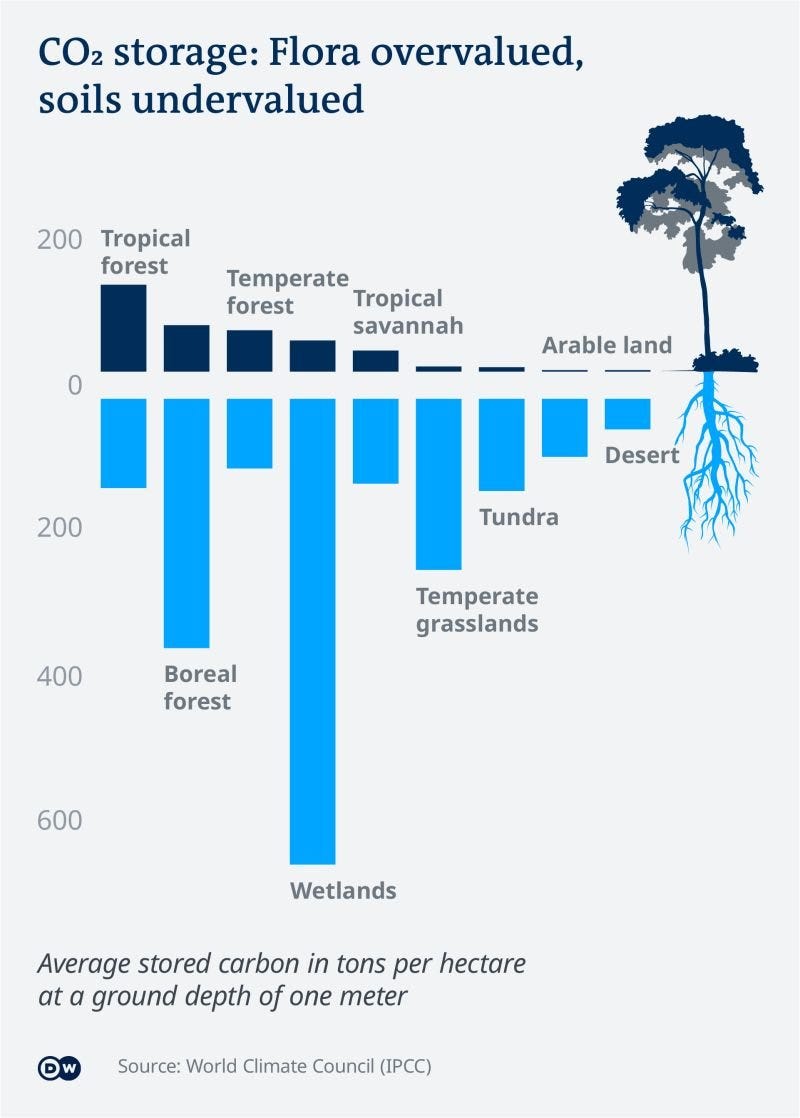 </figure>
Then consider that a grazing system with well managed cows improves the quality of the soil and increases the soil’s ability to sequester carbon.
Comments
It always feels like I am listening to a subject matter expert debunking Dr. Oz-esc logic, but you have to do it in front of his audience
Skillful Ferret (insert fan art request)
2022-10-22 11:16:43 +0000 UTCThanks Jennifer! I appreciate that. I feel like talking about these topics puts me in the crosshair of many people, but it needs to be said.
2022-10-22 06:21:09 +0000 UTCI'm so glad you've done deep dives on this topic. There's so much anti meat propaganda out there that a frighteningly large number of people believe without question. It's such a relief to see your well-researched, well-stated arguments that debunk misanthropic vegan narratives. Thank you ❤️
Jennifer
2022-10-22 06:16:57 +0000 UTC