CIVET BEAST TYPES
The instabilities in what are presumed to be the magics which created the Civet Beasts left them with many banes, their destruction in sunlight being the most well known. However, this same bane has been a boon for the monster, as with instabilities comes adaptation. Without the gift of taking attributes from victims, the monster would have likely been resigned to the history scrolls. As it is, Civet Beasts are still a very common problem for some cities across Thistleland.
While a Civet Beast itself will typically not change to adapt to their environments or adapt themselves to abilities they encounter, whenever they successfully mate with another creature, be it monster or citizen, the offspring from the eggs they create will share at least some attributes from said victim. For those without specialised abilities, this may be some physical trait the victim species had. However in the case of other monsters, especially other unstable monsters, this can result in an entirely new linage of Civet Beasts that show remarkable differences from the host creature.
Currently it is theorised by the Mages in The Adventure Guild that while this vastly divergent pattern is observed, there is some mechanism to keep it in check. While there are a staggering amount of Civet Beasts of vastly different designs, there are some far more common Civet Beast variations and indeed, the original creature type is still, by far, the most numerous. On top of this, it is often rare to find a Civet Beast variation with more then one or two traits, possibly indicating dead-end evolution. It is not known if this is due to adapted Civet Beasts being unable to reproduce as effectively as normal types, their numbers not susceptible to being destroyed, the original cause of the Civet Beasts still being in effect, or some other mechanism being responsible but it is at least some comfort that the undercities across Thistleland and indeed the cities above them are not yet going to be infested with creatures of improbable abilities.
MiniSwarm
This type of Civet Beast is presumed to have come from gaining attributes from Nestfoxes, and share the same size, pack mentality and overall similar methods of attack. While on their own they are little more then a comical nuisance at best, when in a swarm they can be quite tricky to deal with. Their main method of attack is to swarm over their victim, attempting to get under any clothing, and then rub, knead and lick wherever they can to weaken the resolve of the victim. Once the victim is unable to resist effectively, they will then attempt to enter the victim in a overall harmless manner and use the victim as a breeding nest, increasing their numbers while keeping the victim too weak to escape through the same kneading, rubbing and licking.
Civetacle
It is not known what creature that the Civetacle gained it's notable and often randomly placed tentacles, but as one can expect, they are used in it's method of attach, grappling, holding and other expected actions to keep a victim too distracted, or weakened, to resist. While notable in their potential crushing strength the tentacles are rarely used for lethal purposes, mostly operating with grappling, restraining and interactions to weaken their opponent.
Dire Civet Beast
Another type of Civet Beast with no confirmed source, though perhaps this time it is for the best. The best guess currently is somehow a Civet Beast was able to capture an animal from the Dire straits. The Dire Civet Beast is a monster among monsters, a hulking and massive creature with thick muscles and shaggy fur. Hulking enough to have difficulty standing as far as normal Civet Beasts, this creature prefers to overwhelm it's victims with power, strength and by taking hits from enemies. While capable of causing great harm and destruction, these brutes seem mostly interested in restraining and subduing victims, probably in an attempt to further bolster their numbers. Thankfully Dire Civet Beasts are notably rare, though one turning up in the middle of a fight against a group of Civet Beasts can dramatically change the dynamic of the battle for the Adventurers involved.
Drinker
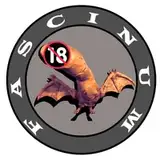
A more reasonable alteration, the Drinkers are presumed to have either come from vamparitic bats or be the result of a Civet beast being bitten by an actual vampire. Distinguished at a look by the notable canine teeth, these creatures are noted for having a rather mild hypnotic or charming look used by their eyes to make those of a weaker willpower slowly lose themselves to the Drinkers wishes. Aside the usual Civet Beast desires, the Drinker is noted for it's differences in feeding; they are vamparitic. Once a victim is caught within their paws, they will begin to drink from the victims neck, weakening the victim until they are unable to resist, or fall unconscious. They will then take the victim away to a dark corner to feed on them slowly, keeping the victim alive to satisfy the Drinkers other urges. They are noted to have a weakness to sharp wooden weapons.
Egger
This breed is somewhat similar to make types of Civet Beast, with the sole exception of their method of reproduction being far more direct in approach. Their tails produce eggs that are pre-fertilised (possibly from victims). The tail will then be placed in any suitable environment for the eggs to incubate and the egg will exit through the tailtip into such an environment. They will typically attempt to fill up a nesting space with as many eggs as possible, before leaving the eggs and moving on.
Goo
One of the easiest of Civet Beasts to understand in terms of origin, it is still not known if this is the result of a Civet Beast mating with a Goo, or a Goo consuming a Civet Beast. In either case, the result is a Civet-like goo blob, often taking the full form of a Civet Beast. Beyond that, much of it's abilities and methods are the same as one would expect of a goo blob with the exception of it's general attempts to fill it's victim with goo.
Civet Beast Goo Beast
Quite a match, both Civet Beasts and Goo Beasts being rather unstable monsters. Usually having the form of a Civet Beast, these creatures are the natural result of a Goo Beast consuming a Civet Beast. usually much of the Civet Beasts skeleton remains inside this creature, and as with Goo Beasts, when other Civet Beasts are consumed there are the chance that the extra limbs will be reflected on the Goo Beast afterwards, such as having six legs, two heads or indeed more. There have been reports of some parts of Guildtown undercity having entire pools worth of Goo Beast Civet Beasts, eater to entice unwitting victims into their depths using Goo Beast Civet Beasts emerging from the contained pool. They are known to often contain treasures or items from prior victims, and are considered one of the more dangerous types of Civet Beast in terms of risk to victims life.
Horker
Potbellied and proud, this type of monster has an unknown origin, but is a fairly standard variation. It's not known if it is the stomach of the Horker or some sort of crop once meant to hold live prey that is the source, but from whichever organ it comes this variation is able to spit a large amount of a non-toxic gloopy fluid a surprisingly large distance that is used to stick victims to surfaces. While not actually that strong a method of holding physically, the goo that is used rapidly drain the energy of it's victim as well as render them more suggestible, transferring it to the goo and making it a surprisingly sustaining nutrient source while also ensuring the victim feels as though they cannot move through the fluid. The Horker is known to feed restrained victims with the same fluid via a 'kiss' until the victims belly is filled, frequently resulting in victims gaining significant weight during their stay. Victims will typically be stored stuck to surfaces half coated in this goo. It's been known that this goo is also it's breeding method, as once in a suitable place to incubate, usually via nuzzling and kissing such a place while pushing goo, the goo will slowly condense into eggs that will then incubate.
Hypno
Longer, slinkier and generally somewhat more frail then the typical Civet Beast, this creature is a combination of ambush predator and oppatunist. Usually alone in hidden locations, they will often make themselves known first by showing their eyes from a hidden location, attempting to cause the victim to look directly into it's unusually large and wide orbs. These eyes have a strong hypnotic, suggestive and pacifying effect on victims that will rapidly fog the mind and make them unable to defend themselves. The Hypno Civet Beast will then emerge and either coil the victim or draw them into it's hiding spot. While it's breeding methods are largely unchanged from most Civet Beasts, it has been known to gently swallow large prey whole and alive once the victim is surrendered.
Pacivet
The Pacivet is a rather rare type of Civet Beast, frequently losing out to other creatures in it's environment due to it's highly pacifistic and submissive behaviour. However, they have a unique method of catching victims, though in this case the term victim is used loosely. The Pacivet will simply attempt to be appealing to it's intended target, approaching if allowed and acting in a pleasant and gentle manner. While unable to speak much like all Civet Beasts, this creature is far more bipedal then the standard Civet Beast and have far more dextrous paws, allowing it some degree of identity confusion with it's victim. Victims will then be courted in a needy but submissive way, and if attacked the Pacivet will immediately flee from the encounter. The ultimate goal of the Pacivet is for the victim to willingly allow themselves to court with the Pacivet, before the two part ways again. While all Adventurers make a show of their abhorrent to such a seductive and gentle creature this variation does still keep showing up, indicating that perhaps more Adventurers and victims give themselves to the Pacivet for a night of pleasure then any would dare admit.
Silky
Slippy-smooth and sleek, the fur of the Silky Civet Beast is soft, well groomed and usually unruffled, in start contrast to most Civet Beasts. Presumably this variation came from spiders, of all things, as from it's tailtip it can form a strong silk that adheres to walls and victims alike. Preferring to lay traps then directly face opponents, this type will use webbing to restrain prey. One restrained properly, the Silky will enjoy it's helpless victim by brushing it's silky-soft form against the victim, wrapping them up into a cocoon, and then suckle on the victim to weaken them before starting to drain them for nourishment and to keep the victim weak for the usual Civet Breast methods.
Tailtum
Another mystery source variant, the Tailtum is mostly similar to the basic Civet Beast, however their tails hold their difference. Able to open up with a toothless tailmaw, and frequently seeming as if it has a mind of it's own, the tail will consume victims of an appropriate size and chew on them until they are too weak to resist. Such victims are usually then held in the tail for considerable times until the Tailtum either wishes to secure the victim for other uses, wishes to draw the victim up the hollow tail and into the Tailtum's main torso to slowly process them into Civet fat, or directly start slowly processing a victim into pudge while in the tail itself. he inside of the tailmaws soft flesh are ridged, for both grip over the prey and for the victims pleasure.